TRT Clinic La Jolla: Why Preventive Health Matters


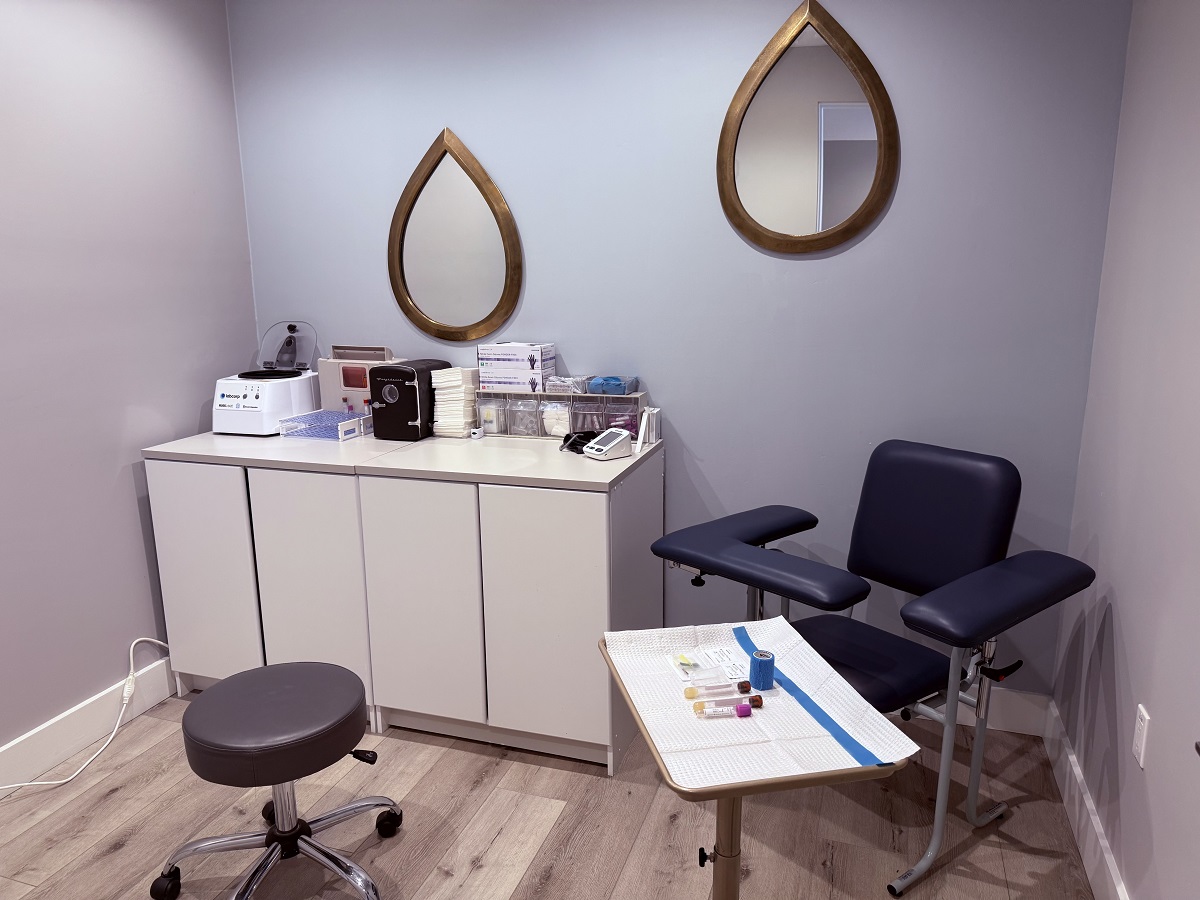
Preventive health rarely gets the attention it deserves until something starts to feel off. For many adults, that turning point is subtle at first. Energy slips. Recovery takes longer. Mental sharpness feels less dependable. Sleep becomes lighter, body composition changes, and motivation falls for reasons that are hard to pin down. These shifts are easy to dismiss as stress, aging, or a busy schedule. Sometimes they are. Sometimes they point to something measurable that deserves a closer look.
That is one reason the conversation around hormone health has become more visible, especially for men in their late thirties, forties, and beyond. A reputable trt clinic La Jolla is not simply a place people visit when they want a prescription. At its best, it is part of a broader preventive health strategy, one that treats symptoms as clues rather than annoyances to be ignored. The real value lies in early evaluation, careful monitoring, and the discipline to address root causes before they develop into larger problems.
Preventive medicine is often misunderstood. People hear the phrase and think only of annual physicals or routine lab work. Those matter, but prevention is more practical than that. It is a mindset that asks a simple question: what can we identify early, improve steadily, and monitor intelligently so long term health does not get traded for short term convenience?
The difference between reacting and staying ahead
Most people are used to reactive care. You develop a problem, then seek help. That model is necessary for acute illness or injury, but it is a weak strategy for chronic decline. Hormonal imbalance, metabolic dysfunction, poor sleep, elevated inflammation, and cardiovascular risk usually build slowly. They do not announce themselves all at once.
In practice, that means a man can spend years feeling below baseline without recognizing the pattern. He may still be functioning well enough trt clinic La Jolla to work, exercise, and meet obligations, but not well enough to feel like himself. I have seen this in professionals who blame brain fog on long hours, in fathers who assume exhaustion is simply part of family life, and in active men who think their slower gym recovery is just the price of getting older. Sometimes that is true. Often, the body is sending earlier signals.
Preventive care works because it respects those early signals. It does not assume every symptom means low testosterone, and it does not reduce health to a single number on a lab report. Instead, it uses symptoms, medical history, physical findings, and targeted testing to build a clearer picture. That process matters because low energy can come from many places: thyroid dysfunction, poor sleep quality, insulin resistance, chronic stress, depression, medication effects, excess alcohol intake, and untreated sleep apnea are just a few.
When clinics skip that broader view, patients lose. When they take it seriously, preventive health becomes far more effective.
Why testosterone often enters the conversation
Testosterone influences far more than libido. It plays a role in muscle maintenance, red blood cell production, mood stability, motivation, cognitive function, and body composition. It also interacts with sleep, stress hormones, insulin sensitivity, and exercise recovery. Because of that, declining testosterone can look different from one person to the next.
One patient may notice reduced sexual interest and fewer morning erections. Another may care less about sex and more about the fact that his workouts no longer produce the same results. A third may describe irritability, poor concentration, and a sense that he is moving through the day with the brakes on. None of those symptoms automatically confirms a hormone problem, but all of them justify a thoughtful evaluation.
This is where a strong preventive approach stands apart. A quality clinic does not begin with treatment. It begins with questions. When did the symptoms start? Have they been gradual or abrupt? How is sleep, including snoring or waking unrefreshed? What does training look like? Has weight changed? Are there fertility goals? What medications are on board? Has there been a major life stressor? Those details shape whether TRT is appropriate, premature, or the wrong answer entirely.
A careful workup may include total testosterone, free testosterone when clinically appropriate, estradiol, CBC, CMP, lipid markers, thyroid function, PSA in the right context, and additional testing based on individual risk factors. The exact panel varies by patient. What matters is not chasing numbers for their own sake, but understanding the whole clinical picture.
Preventive health is not anti-aging theater
The phrase preventive health sometimes gets bundled with glossy wellness marketing, and that has made some patients skeptical. Fair enough. There is a difference between evidence based care and expensive theater. The first is grounded in medical judgment, honest discussion of risk, and long term follow up. The second promises transformation without much depth behind it.
A good clinic will tell patients things they may not want to hear. If you are sleeping five hours a night, drinking heavily on weekends, carrying untreated sleep apnea, and skipping resistance training, no hormone protocol is going to fix the foundation. If you want future fertility, that needs to be discussed before treatment, not after. If your labs are borderline but your symptoms point more clearly toward stress and burnout, the right move may be to delay therapy and address those factors first.
That kind of honesty is one of the strongest signals that a clinic takes prevention seriously. Real preventive care is not about selling the most treatment. It is about protecting function over time.
What a responsible TRT clinic actually monitors
Testosterone replacement therapy can be beneficial for appropriately selected patients, but it is not casual medicine. Once treatment starts, monitoring matters just as much as diagnosis. Dosing that looks straightforward on paper often requires adjustment in real life. Some men respond well to one regimen, while others deal with side effects, fluctuating levels, or symptom patterns that do not track neatly with lab numbers.
A responsible clinic keeps an eye on the following:
- symptom response over time, not just hormone levels
- red blood cell markers such as hematocrit and hemoglobin
- estradiol when clinically relevant
- prostate related considerations based on age, history, and physician judgment
- blood pressure, weight, body composition, and broader metabolic health
That list is not exhaustive, and it should never be treated as a one size fits all template. The point is that preventive care involves surveillance. If someone is prescribed testosterone and then left on autopilot for a year, that is not comprehensive medicine. Regular follow up helps catch elevated hematocrit, worsening blood pressure, persistent fatigue despite normalized labs, or signs that a different issue was missed at the start.
La Jolla patients often expect more, and that can be a good thing
Communities shape healthcare expectations. In La Jolla, many patients are active, informed, and used to investing in their health. They golf, surf, lift, hike, cycle, and care about staying functional well beyond middle age. That does not mean every health trend is worthwhile, but it does create a useful standard. People want more than a rushed visit and a generic recommendation.
A strong trt clinic La Jolla should be prepared for that level of scrutiny. Patients should ask how evaluation is done, what gets monitored, how often follow up occurs, and how the clinic handles edge cases such as borderline labs, fertility concerns, or coexisting metabolic issues. Good clinicians are usually comfortable with those questions. In fact, they prefer them.
The best outcomes often come from patients who are engaged enough to pay attention, but not so fixated on optimization that they lose perspective. Health is not a contest to produce the most impressive lab sheet. It is the ability to think clearly, move well, maintain relationships, recover from effort, and protect future function. That sounds obvious, but it is surprisingly easy to lose sight of.
Why symptom relief alone is too narrow a goal
One of the common mistakes in hormone care is treating symptom relief as the finish line. Feeling better matters, of course. If a patient reports better energy, improved libido, stronger workouts, and clearer focus, that is meaningful. But preventive medicine asks a larger question: what else is happening under the surface?
For example, a man may feel more energetic on TRT while still carrying untreated insulin resistance, high alcohol intake, elevated LDL cholesterol, or poor sleep quality. Another may be pleased with improved gym performance while his blood pressure trends upward. Someone else may be pleased that testosterone rose into a target range while persistent anxiety and fatigue continue because the real issue was sleep apnea all along.
These are not rare scenarios. They are exactly why prevention requires context. Hormone therapy can support health, but it should not distract from the basics that drive long term outcomes. Clinical experience repeatedly confirms the same point: sleep, strength training, body composition, nutrition quality, stress load, and cardiovascular risk all interact. Ignoring that reality leads to shallow care.
The trade-offs deserve plain language
Any meaningful medical treatment involves trade-offs. Responsible clinics explain them in plain language rather than hiding behind vague reassurances. Testosterone therapy may suppress natural production. It may complicate fertility planning. It may raise hematocrit in some men. It requires follow up, consistency, and a willingness to adjust.
That does not mean TRT is unsafe when properly managed. It means mature healthcare respects both potential benefit and responsibility. Patients deserve clarity about what treatment can do, what it cannot do, and what ongoing monitoring is part of the package.
There is also a psychological trade-off worth mentioning. Some men become overly focused on tuning every variable in pursuit of perfect performance. They start chasing tiny changes in numbers while neglecting broader health habits or creating unnecessary anxiety. Preventive health works best when it is disciplined rather than obsessive. Improvement should create more freedom in daily life, not less.
Screening early can reveal more than hormone issues
One of the quiet strengths of visiting a clinic with a preventive mindset is that the initial workup may uncover concerns unrelated to testosterone. Mild anemia, thyroid dysfunction, elevated liver enzymes, poor glycemic control, abnormal lipids, and signs of sleep apnea often surface during evaluations that began with fatigue or low motivation.
I have seen men come in convinced they needed testosterone, only to find that the more urgent issue was severe sleep disruption. After sleep apnea treatment, weight reduction, and better sleep hygiene, their energy and hormone levels improved without starting TRT at all. I have also seen the opposite, patients who had optimized training, nutrition, and sleep, yet still struggled with classic hypogonadal symptoms and consistently low labs. For them, treatment made a real difference.
That contrast is important. Preventive health is not ideological. It does not insist that every problem must be solved naturally, and it does not assume medication is the first answer. It asks what is true for this patient, at this time, given his history, goals, risks, and lab pattern.
What patients should look for in a clinic
Choosing a clinic is not just about location or convenience. It is about clinical culture. You can learn a great deal from the first consultation. Is the conversation rushed? Are questions welcomed? Does the provider ask about sleep, fertility, medications, alcohol, training, and mental health? Is there discussion of baseline labs and repeat testing, or only a quick path to treatment?
The strongest clinics usually share a few habits. They are methodical without being rigid. They explain why they are ordering specific labs. They talk through options rather than assuming one route fits everyone. They are willing to say not yet when treatment is premature. They understand that preventive care includes behavior change, not just prescriptions.
Here are a few signs that a clinic is approaching care responsibly:
- the provider takes a full symptom and health history before discussing treatment
- lab interpretation is tied to symptoms and context, not a single cutoff value
- fertility and long term monitoring are addressed clearly
- follow up plans are defined before therapy begins
- lifestyle factors are discussed as part of treatment, not as an afterthought
That kind of structure may feel less flashy than a hard sell, but it is usually the safer and more effective path.
Prevention works best when it is personal
There is a tendency in men’s health to search for universal formulas. Lift weights, eat more protein, sleep eight hours, manage testosterone, fix stress. All of that is useful, but none of it replaces individual judgment. A 42 year old executive with abdominal weight gain, high stress, poor sleep, and borderline labs needs a different plan than a 58 year old former athlete with consistent low testosterone readings, declining muscle mass, and excellent health habits. The label may look similar from a distance, yet the clinical decisions should not be.
This is another reason local care matters. A knowledgeable trt clinic La Jolla can account for how a patient actually lives, trains, works, and ages. That is more valuable than any generic online protocol. Local follow up also makes it easier to reassess symptoms, repeat labs on schedule, and adjust plans before minor problems become major ones.
Preventive medicine is often most successful when the relationship between patient and provider has some continuity. Patterns become clearer over time. A clinician learns what “normal” looks like for trt clinic La Jolla that patient, how he responds to treatment, and when something seems off. Those details can be hard to capture in one time, transactional care.
The bigger picture behind hormone care
The most useful way to think about TRT is not as a shortcut, and not as a vanity treatment. It is one tool inside a larger framework of preventive medicine. Used appropriately, it may help restore function, preserve lean mass, improve quality of life, and support healthier aging. Used carelessly, it can distract from root causes and create avoidable problems.
Preventive health matters because time matters. The body keeps score, often quietly, over years rather than weeks. What looks like ordinary fatigue may be accumulated sleep loss. What seems like simple aging may include metabolic dysfunction or clinically meaningful hormone deficiency. What feels manageable now can become harder to reverse later.
That is why the best care starts before crisis. It starts when symptoms are still mild, when motivation is intact enough to act, and when there is room to correct course. For men who suspect something has shifted, seeking evaluation is not overreacting. It is a practical decision to replace guesswork with data, symptoms with context, and drifting health with a plan.
In that sense, the value of a well run TRT clinic is larger than testosterone alone. It lies in the discipline of paying attention early, asking better questions, and taking long term health seriously enough to protect it before it slips further out of reach.
SDBody La Jolla
7710 Fay Ave, La Jolla, CA 92037
+1 858-401-2383
FAQ About trt clinic La Jolla
How much should my TRT cost?
TRT costs depend on the clinical evaluation, medication, laboratory testing, and follow-up plan. Ask for an itemized estimate that includes the initial visit and ongoing monitoring. SDBody La Jolla can explain its current fees after discussing the services being considered.
Will Insurance Pay for TRT in La Jolla?
Coverage depends on your plan, diagnosis, prescribed treatment, and provider network. Ask your insurer about medical necessity requirements, prior authorization, laboratory coverage, and out-of-pocket costs. Confirm SDBody La Jolla's billing arrangements directly; insurance payment is not guaranteed.
Is TRT safer than steroids?
Testosterone is itself an anabolic steroid. Clinician-prescribed replacement for confirmed testosterone deficiency differs from nonmedical steroid use, but it still carries risks and requires monitoring. Possible concerns include increased red blood cell levels and reduced sperm production. Discuss your medical history and fertility goals with a qualified clinician before considering treatment.